
„Senha“: What is it and why is it needed in everyday life in Portugal?
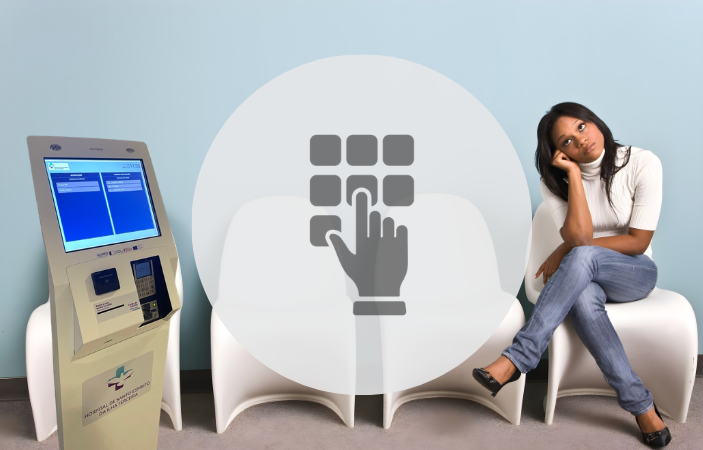
Senha - Waiting in Portuguese
You’ve just arrived in Portugal and are trying to get your everyday life organized – and suddenly you’re standing in front of a screen that says “Retire a sua senha”. Everyone else seems to know exactly what to do, except you. This uncertainty is completely normal and is one of the small culture shocks many expats in Portugal experience.
In this article, you will learn what a “senha” actually is, why it is so important for your daily life, and in which situations you will need it. This way you can avoid awkward moments, save time, and feel more confident step by step in your new life in Portugal.
What does „Senha“ mean?
In everyday Portuguese, the word “senha” basically means a waiting number or ticket. In many public places, queues are not organized by people lining up in a row, but via a number system. You take a senha, wait until your number appears on the screen, and then calmly go to the counter.
A senha helps to:
organize queues fairly
avoid stress and crowding
give you a sense of predictability (you roughly know when it’s your turn)
Especially if you do not yet speak the language well, this system is an advantage: you do not have to actively ask for help or worry about “cutting in line” – you simply follow your number.
Regular Senha or „Prioritário“?
When you take a senha, you will often see different options. One of them is frequently “prioritário”.
“Prioritário” means that this is a priority queue – intended for:
elderly people
pregnant women
people with physical disabilities
people who are accompanied by small children
If you belong to one of these groups, you are entitled to use this priority senha. These numbers are usually called more quickly or run in a separate sequence with their own numbers.
You can see the options directly on the machine.
Where you typically need a senha in Portugal
In Portuguese everyday life, you will come across senhas in many places. To help you be prepared, here are the most important situations:
1. Finanças (tax office)
If you want to apply for your tax number (NIF) or have questions about your tax matters, you will need to go to the “Finanças”.
There, everything runs via senhas:
Napplying for a NIF
updating your data (address, marital status)
asking questions about tax assessments
arranging instalment payments or other personal matters
You will usually find a machine right at the entrance. On the screen, you select the type of service you need (for example, “Atendimento geral”) and then receive your senha. On the monitors in the waiting area you can see which number will be called next and at which counter you should show up.
2. Loja do Cidadão (citizen service center)
The “Loja do Cidadão” is a kind of citizen and service center where different authorities work under one roof – for example:
social security
Finanças
registration services
sometimes utilities (electricity, water, internet providers)
Here, senhas are the standard. There are often different categories, for example:
general service (Atendimento geral)
prior appointments (Atendimento com marcação)
specific services
If you are unsure which option to choose at the machine, you can ask in English. Very often there is a staff member near the senha machine who can tell you which option is the right one for your request.
3. Banks
At the bank, you also take a senha before you can speak to a clerk.
Typical reasons:
opening a bank account
collecting or blocking a bank card
questions about transfers or standing orders
Here too, there are usually different categories (for example, “Atendimento ao balcão”, “Gestor de conta”). If you are new to Portugal and want to open an account, plan some time – but with a senha you are properly registered in the system.
4. Health Care: Centros de Saúde & Hospitals
Whether it is a scheduled doctor’s appointment with a time slot or a visit to the emergency department – you are only really “in the system” once you have taken a senha.
You take a senha for:
registration at the reception
walk‑in or spontaneous appointments
collecting documents or prescriptions
paying your bill
booking a future appointment
In hospitals, the senha helps you find your way through the system. Your number is usually displayed on screens, sometimes in combination with a waiting area or room number. Here too, you will often find priority senhas for people who need extra support.
5. Pharmacy, supermarket and bakery
You won’t only encounter the senha system in public offices, but also in everyday situations.
In many pharmacies, you take a senha before being served. This means customers are seen in the order they arrived, regardless of who is physically standing closest to the counter.
In supermarkets, senhas are very common, especially:
at the meat and cold cuts counter
sometimes also at the cheese or fish counter
Instead of crowding around the counter, you take a number and wait until your senha is called.
You will also often find senhas in bakeries, especially in busy neighbourhoods or shopping centres. At the machine, you can usually choose between two options:
“Consumir na Loja” – you want to eat or drink on the premises.
“Levar para fora” – you want to take your order away.
Depending on what you choose, you are placed in a different “queue”.
6. Post office (CTT) and other providers
In many branches of the Portuguese post office (CTT) and with some telecom providers (internet, mobile phone), you first need to take a senha.
Typical cases:
picking up or sending parcels
signing or changing contracts
filing complaints or asking questions
How the Senha‑System works – step by step
To help you feel more confident at your next appointment with an authority, here is a simple process that you can use almost everywhere:
Look for the machine
At the entrance, look out for a digital terminal or manual ticket dispenser. It often says “Retire a sua senha” or “Tirar senha”.Select you Service (and priority if applicable)
Choose the category that matches your request (at a digital terminal). If you see it on screen and you are eligible, decide whether to take a regular senha or the “prioritário” option. If in doubt, just ask briefly.Keep your number safe
The machine prints a small ticket with your senha. Keep it safe – it often shows the time and sometimes a rough estimate of your waiting time.Watch the screens
Take a seat or wait in the relevant area and keep an eye on the display screens. There you will see:The number currently being served
The counter („Balcão“), you should go to
Wait for your turn and go promptly
When your number appears, go to the specified counter as quickly as you can. If you are unsure, show your ticket and ask for help.
Practical tipps for dealing with Senhas
To make using the senha system feel like a routine, here are some practical tips:
Don´t hesitate to ask
If you don’t understand the machine, ask in simple English or point to the screen.Go early
Especially for public offices, it helps to go in the morning. Waiting lists are often shorter then.Plan extra time
Even with a senha, it can take a while. Plan some buffer time – it reduces stress.Go with someone
Especially at the beginning, it can be a huge relief not to go alone. Many of our clients say they feel much more relaxed and find their way around more quickly when they have someone with them.
Conclusion: the senha as a small key to your new life in Portugal
A senha is just a small piece of paper – and yet it is an important key to everyday life in Portugal. If you know how the system works, when the “prioritário” option is available, and where you need a senha, you will feel more secure, avoid misunderstandings, and settle into your new country step by step.
You do not have to go through this process alone. As an experienced relocation service in Lisbon, we support private individuals and expats with their move to Portugal – from the big decisions right down to everyday details like the senha.
Next step: Get personal support
If you are new to Portugal or you are planning your move to Portugal and would like help with authorities, everyday life and integration, feel free to book a free initial consultation.
Together, we will make sure that uncertainty gradually turns into a relaxed and well‑organised life in Portugal.